
If you’re interested in supporting your digestive health, here are approaches that many people find helpful

IMPORTANT DISCLAIMER: I’m not a doctor, gastroenterologist, nutritionist, or medical professional. These are dietary and lifestyle approaches that some people have found helpful, but they’re not medical advice or treatment for any condition. Gut health issues can indicate serious medical conditions requiring professional diagnosis and treatment. Always consult your healthcare provider before making significant changes to your diet, supplements, or lifestyle - especially if you have digestive symptoms, medical conditions, or take medications. Individual needs vary greatly.

AFFILIATE DISCLOSURE: This post contains affiliate links to products I personally use and recommend. If you purchase through these links, I may earn a small commission at no additional cost to you. I only recommend products I actually use myself - your trust matters more than any commission. You’re never obligated to purchase anything.
1. Consider reducing or eliminating alcohol
Alcohol may negatively impact gut lining and microbiome balance for some people.
What if you stop drinking alcohol for 30 days?
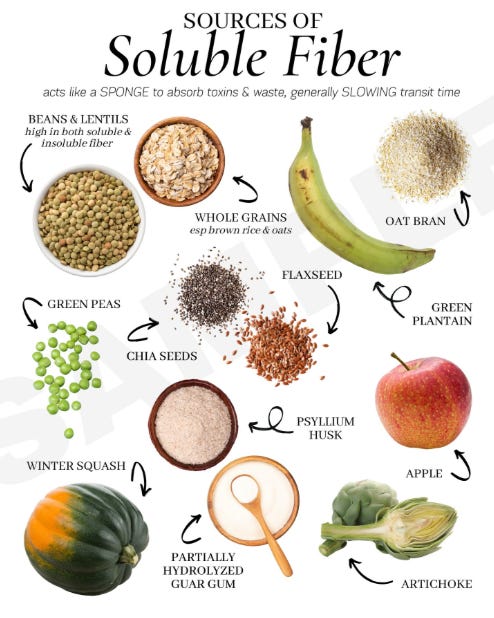
2. Include prebiotic fiber in your diet
Foods that may support beneficial gut bacteria:
Apples
Berries
Avocado
Bananas
Asparagus
Mushrooms
Oats
Garlic and onions
Jerusalem artichokes
Note: Some people with certain digestive conditions (like IBS) may need to limit these foods. Consult a gastroenterologist if you have concerns.
3. Consider targeted supplementation (with medical guidance)
Some people find these supplements helpful:
Collagen : I personally use👉 Vital Proteins Collagen Peptides Grass Fed daily in my morning coffee. It dissolves easily and is flavorless.
Omega-3 fatty acids: I take 👉 Nordic Naturals Ultimate Omega for high-quality fish oil with EPA & DHA. The lemon flavor makes it more pleasant than typical fish oils.
L-glutamine : I use NOW Foods 👉 L-Glutamine Pure Powder because it’s unflavored and mixes well into drinks.
Vitamin D3/K2: For K2, I use 👉 THORNE Vitamin K2 Liquid - the liquid drops make dosing flexible.
(Note: Those are affiliate links - see disclosure above)
⚠Important: Always consult your doctor before starting supplements, especially if you take medications or have health conditions. Supplements can interact with medications and aren’t regulated like drugs.
4. Be mindful of water quality
Consider filtered water if concerned about tap water quality in your area.
Research your local water quality reports to make informed decisions.

5. Include collagen-rich foods
Options like skin-on chicken, bone broth, and similar gelatinous cuts may provide beneficial nutrients.
Pro tip: roast your bones at 450° for 30 minutes when you make bone broth. This will give it a richer color and make it more gelatinous.
This is what I got after 2 hours of high-pressure in the instant pot. I also added a half pound of stew meat to the bones.
6. Use antibiotics judiciously
Antibiotics are life-saving medications when needed for bacterial infections.
However: Work with your doctor to use them only when medically necessary, as they can affect gut bacteria.
Never refuse needed antibiotics - this advice is about avoiding unnecessary use only.
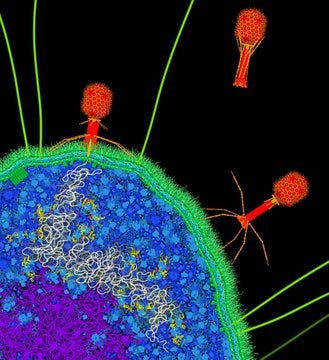
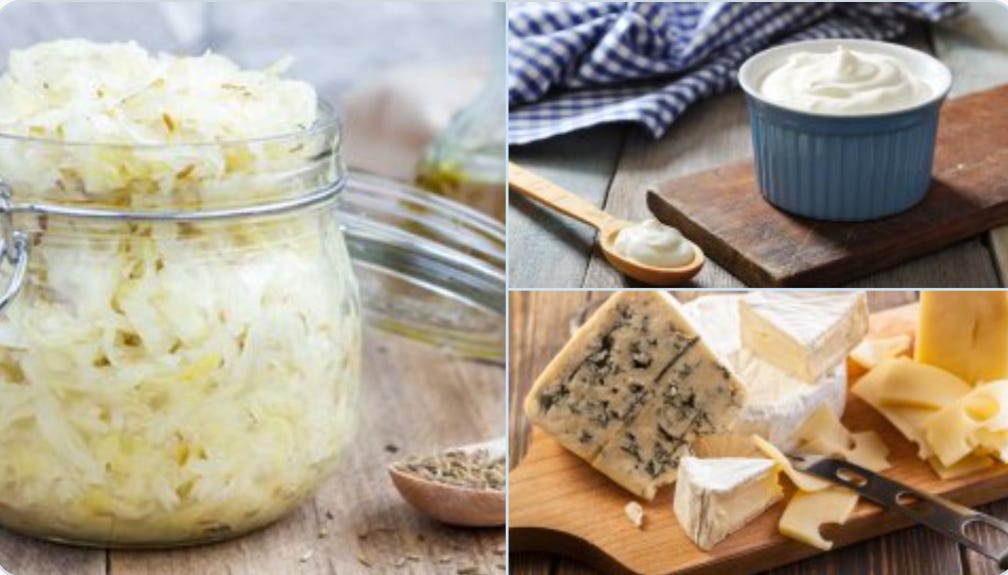
7. Try fermented foods
These may support healthy gut bacteria:
Kefir
Kimchi
Yogurt with live cultures
Sauerkraut
Fermented pickles
Note: Some people with histamine intolerance may not tolerate fermented foods well.
8. Consider timing of coffee consumption
Some people find that coffee on an empty stomach causes digestive discomfort.
Experiment with having it with or after food if this applies to you.

9. Try bone broth
Some people find bone broth soothing and easy to digest, particularly when recovering from illness.
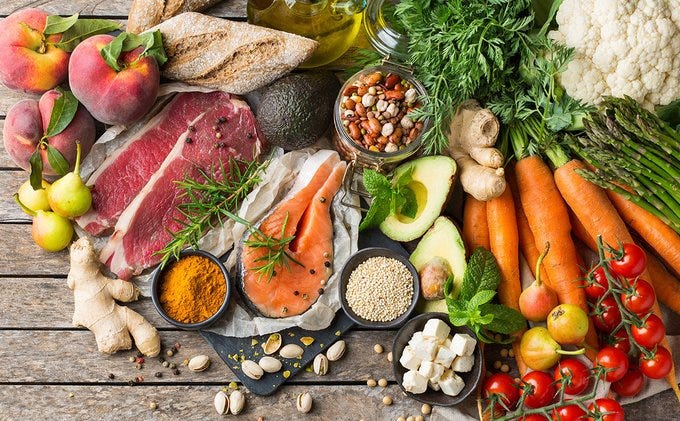
10. Focus on whole, minimally processed foods
Aim for foods with one ingredient (like an apple, chicken breast, rice).
This approach generally provides more nutrients and fiber.
Need practical meal ideas?
Focusing on whole foods sounds great in theory, but what does it actually
look like on a busy schedule?
→ Check out: 15 High-Protein Meals for Busy Parents Who Want Results
These take less than 15 minutes to prep and your family can eat them too.
11. Limit highly processed foods
Consider the 80/20 approach: whole foods 80% of the time, less processed foods 20%.
“Hara hachi bu” - the Okinawan reminder to stop eating when 80% full.
This 20% gap between not being hungry and feeling full could be the difference between losing weight or gaining it.
Blue Zone centenarians eat their smallest meal in the afternoon.
12. Include zinc-rich foods
Zinc supports immune function and cell health. Food sources:
Beef
Dairy
Shrimp
Chicken
Dark chocolate
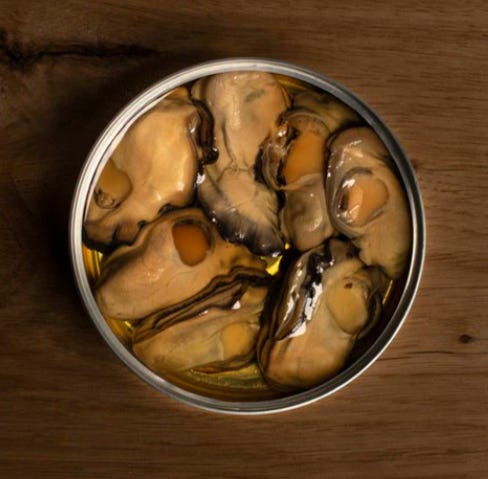
Oysters
Note: You don’t need to eat oysters weekly - this is optional and based on preference.
Raw oysters > Smoked oysters > Zinc supplements
Smoked oysters are a cheatcode, one can, can contain around 100mg+ worth of Zinc and cost you like 4 bucks
and you’re also getting plenty of vit. D3, vit. B12, copper, selenium and manganese
13. Get regular sunlight exposure
Sunlight supports vitamin D production, which may play a role in gut health.
Practice safe sun exposure based on your skin type.
14. Prioritize quality sleep
Aim for 7+ hours of sleep nightly when possible.
Sleep quality affects many aspects of health, including digestion.
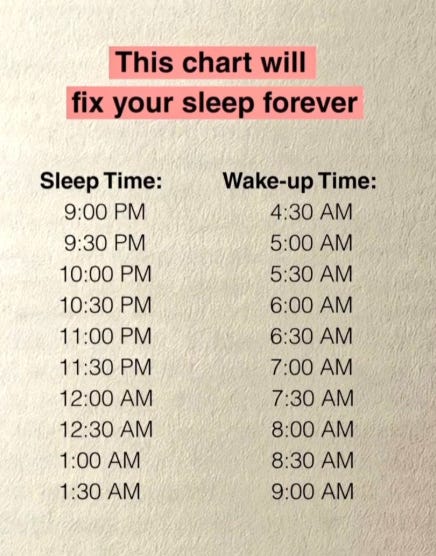
15. Sleep quality strategies
Approaches that may help:
Regular physical activity
Limit caffeine to morning hours
Practice relaxation breathing
Avoid late afternoon naps
Reduce blue light exposure before bed
Consistent sleep schedule
Cool, dark, quiet bedroom
Movement supports digestion too
Quality sleep isn’t the only lifestyle factor that impacts gut health.
Regular movement helps with stress reduction and digestive function.
Don’t have time for the gym? Neither do most parents.
→ Try this: 15-Minute At-Home Workout That Actually Works
No equipment needed. Do it while the kids play.
16. Consider meal timing over constant snacking
Some people find that allowing 3-5 hours between meals supports digestion.
This approach isn’t suitable for everyone (diabetics, those with certain conditions).
17. Try time-restricted eating
Some people practice eating within a 10-14 hour window daily.
Here’s your optimal eating window:
Start between 10am and 12pm.
End between 6pm and 8pm.
This aligns perfectly with your body’s natural metabolic rhythm.
But researchers discovered something surprising:
Note: This approach (intermittent fasting) isn’t appropriate for everyone. Consult your doctor if you have diabetes, eating disorder history, or are pregnant/nursing.
18. Consider meal timing around sleep
Some people find benefit in:
Not eating 2-3 hours before bed
Waiting an hour after waking to eat
Experiment to see what works for your body.
19. Cooked vs. raw vegetables
Some people digest cooked vegetables more easily than raw.
If you experience bloating, try cooking vegetables more thoroughly.
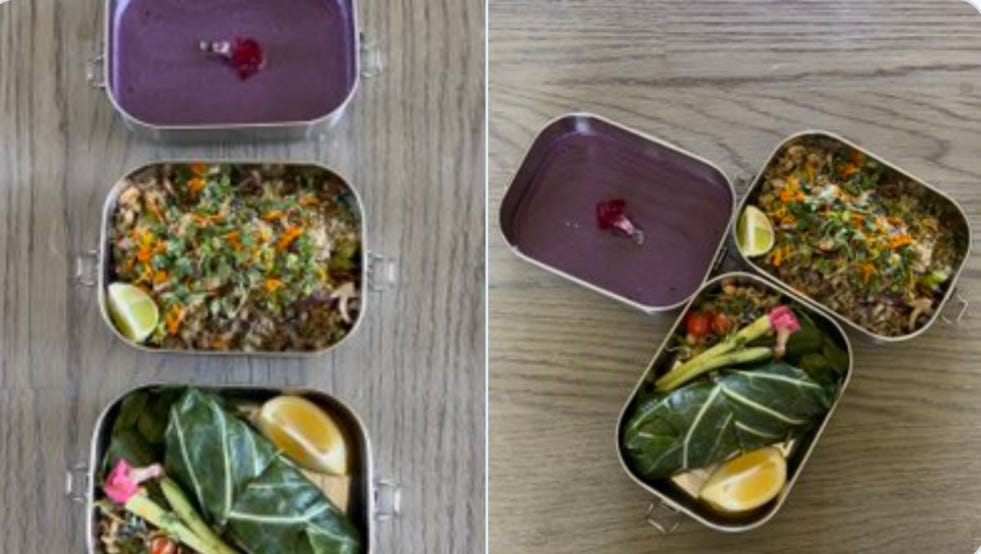
What I’m eating for the next few days
Chickpea & Veggie Wraps
1 cup chickpeas
½ cucumber (thinly sliced)
½ bell pepper (sliced into strips)
¼ cup pickled red onions (adds a tangy kick)
¼ cup fresh parsley (chopped)
1 cup fresh spinach (or any leafy greens)
2 tbsp hummus
2 large collard green leaves (as a wrap)
2 tbsp sundried tomatoes (chopped, for depth of flavor)
Cauliflower Rice Vegetable Stir-Fry
2 cups cauliflower rice (fresh or frozen)
1 cup broccoli florets (chopped small)
½ cup red cabbage (thinly sliced)
½ cup carrots (julienned or shredded)
¼ cup fresh cilantro (chopped)
½ cup shiitake mushrooms (sliced)
2 tbsp hemp seeds
2 tbsp coconut aminos (or tamari for a mild umami flavor)
2 tbsp fresh squeezed orange juice
1 tsp orange zest (for depth of flavor)
1 tbsp blueprint extra virgin olive oil
Wild Blueberry Smoothie
1 cup wild blueberries (frozen or fresh)
½ teaspoon butterfly pea flower powder
1 cup unsweetened almond milk
¼ avocado
1 tablespoon ground flaxseeds
2 tablespoons macadamia nuts
1 teaspoon Manuka honey
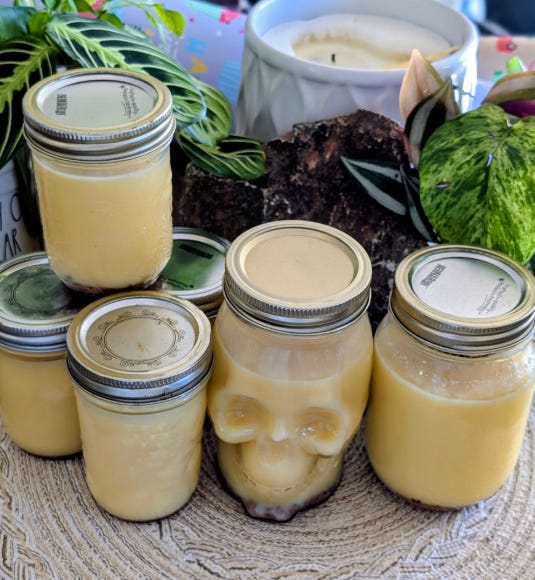
20. Include butyrate-producing foods
Foods like ghee, butter, and cheese may support gut health for some people.
Note: Dairy tolerance varies. Many people have lactose intolerance or sensitivities.
Homemade Ghee 🧈 My favorite and so easy to make. This batch is 2 unsalted + 2 salted lbs of butter.
21. Be mindful of heavy metal exposure
Consider:
Quality cookware (stainless steel, cast iron)
Filtered water
Fish choices (smaller fish typically have less mercury)
22. Eat polyphenol-rich foods
Foods high in beneficial plant compounds:
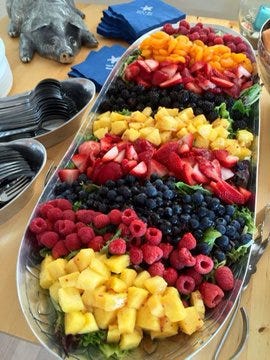
Berries
Coffee
Dark chocolate
Tea
Colorful vegetables
Important Context
Gut health is complex and highly individual.
Some people may need:
Professional medical evaluation
Specific testing
Individualized treatment plans
Medical diagnosis of underlying conditions
These tips are general wellness approaches, not treatment for:
IBS, IBD, Crohn’s, Celiac, or other digestive diseases
SIBO, dysbiosis, or other diagnosed conditions
Food allergies or intolerances
Any medical condition requiring professional care
If you have persistent digestive symptoms: Consult a gastroenterologist. Symptoms like chronic pain, blood in stool, unexplained weight loss, or severe symptoms require medical evaluation.
About My Recommendations
The products linked above are things I personally purchase and use. The
coaching services I offer are separate - I don’t require you to buy any
products to work with me, and buying products doesn’t obligate you to
coaching services.
Quick Question
Struggling to implement healthy habits consistently?
Want support building sustainable wellness practices?
I offer guidance with:
Nutrition strategies
Lifestyle habit formation
Accountability support
Note: This is wellness coaching, not medical treatment, nutritional therapy, or diagnosis.
Interested? DM me “WELLNESS” and we’ll discuss what might work for your situation.
Nice work 😊
Excellent article!!